
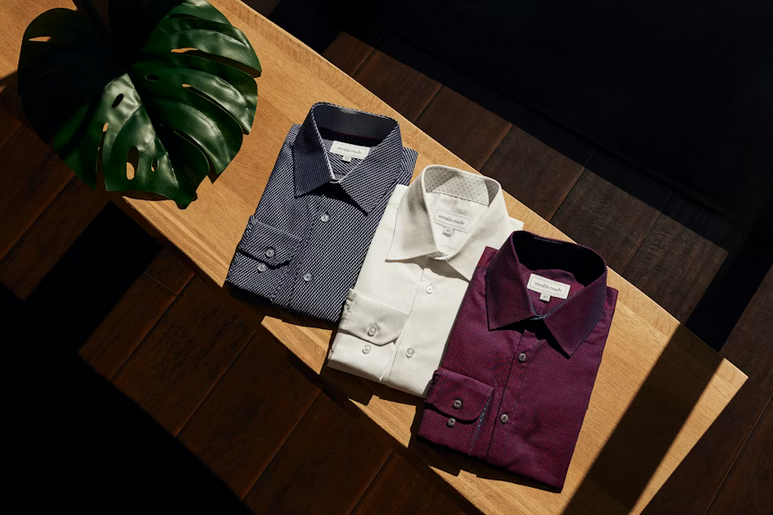
Mistakes to Avoid When Buying Men’s Clothing Online
Online shopping for men’s clothing has surged in popularity, offering convenience, variety, and the ability to explore styles from the comfort of home. However, the virtual shopping experience can also present pitfalls that result in ill-fitting garments, wasted money, or regretful purchases. Without tactile feedback or the ability to try items on immediately, many shoppers make preventable errors. Understanding mistakes to avoid when buying men’s clothing online equips men with the knowledge to navigate sizing charts, material descriptions, and seller policies confidently. By recognizing common pitfalls, shoppers can make more informed decisions, save money, and enhance their wardrobe with garments that truly suit their style, body type, and lifestyle preferences.
Ignoring Size Charts and Measurements
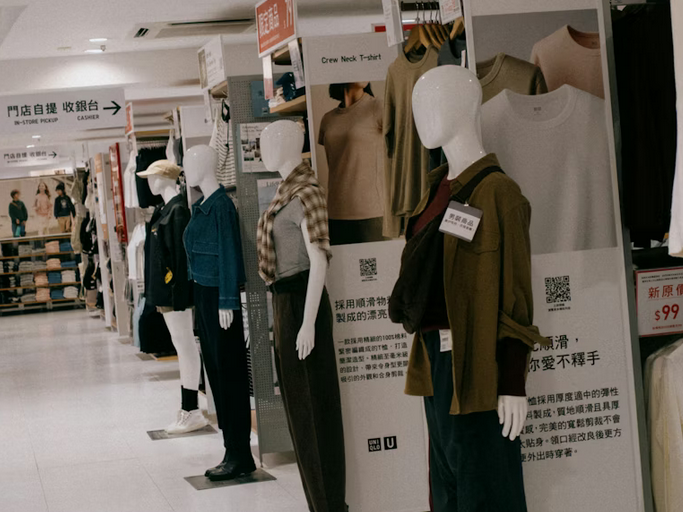
One of the most frequent mistakes in online men’s clothing shopping is neglecting detailed size charts. Unlike physical stores, where trying clothes is possible, online buyers must rely on provided measurements. Sizes varry significantly between brands or even between different items from the same manufacturer. Relying solely on familiar size labels like Medium or Large often leads to garments that are too tight or too loose. To avoid disappointment, carefully review the sizing guide, measure your chest, waist, shoulders, and inseam, and compare them to the chart. For shoes, foot length and width should be considered, not just the standard size. Accurate measurement comparison reduces returns and increases the likelihood of a proper fit.
Overlooking Fabric and Material Information
Fabric type and material composition are crucial factors that many online shoppers ignore. Natural fibers like cotton, wool, or linen differ significantly from synthetic materials such as polyester or nylon in comfort, breathability, and durability. Reading the product description thoroughly provides insight into texture, stretchability, and maintenance requirements. Ignoring these details can result in clothing that feels uncomfortable, shrinks after washing, or wears out prematurely. For instance, a shirt labeled as “machine-washable cotton blend” may still have a shrink rate if not laundered correctly. Understanding fabric properties helps buyers anticipate care needs and longevity, contributing to satisfaction and reduced returns.
Disregarding Return and Exchange Policies
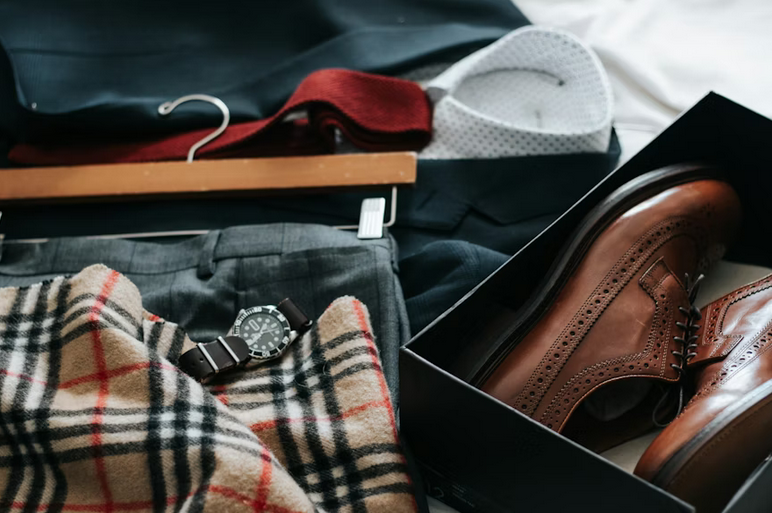
Many shoppers focus solely on the garment itself without checking the retailer’s return or exchange policies. Limited or complicated policies can turn a simple sizing error into an expensive inconvenience. It is vital to read the policy for timeframes, restocking fees, and acceptable return conditions. Some sellers may require original tags or packaging, while others may not offer free returns. Being unaware of such terms can lead to financial loss or frustration when a garment does not meet expectations. Taking time to understand return procedures offers a safety net and allows confident experimentation with new styles, patterns, or brands without the risk of permanent loss.
Failing to Research Seller Reputation and Reviews
Online reviews and seller ratings provide critical insights that often go unexamined. Ignoring customer feedback is a common error, leaving buyers vulnerable to low-quality items, misrepresented colors, or poor service. Detailed reviews may highlight issues like inconsistent sizing, color discrepancies between the image and actual item, or fabric quality concerns. Searching for multiple reviews across platforms and forums provides a balanced perspective. Trustworthy sellers with a high volume of positive reviews generally deliver consistent product quality and reliable customer service. This research reduces uncertainty, instills confidence in purchasing decisions, and decreases the likelihood of disappointment.
Impulsive Purchases Without Planning

The ease of online shopping encourages spontaneous decisions, which can lead to overbuying or selecting items that do not integrate with existing wardrobe pieces. Impulsive buying may result in duplicates, unused garments, or styles that clash with current outfits. To avoid this, plan purchases by identifying gaps in your wardrobe, considering color coordination, and prioritizing versatile pieces. Creating a wishlist or consulting style guides helps maintain focus and prevents regretful spending. Conscious buying ensures each garment serves a functional or stylistic purpose, enhancing the overall wardrobe and maximizing investment value.
Buying men’s clothing online offers convenience and variety, but it requires planning and attention to detail. Common mistakes—ignoring the size charts, overlooking information on the fabric, disregarding return policies, neglecting seller reputation, and making impulsive purchases—can lead to dissatisfaction and wasted resources. By taking deliberate steps to measure accurately, research materials and sellers, and plan purchases strategically, men can enjoy a seamless online shopping experience. These precautions not only save money but also enhance wardrobe quality, style consistency, and overall satisfaction with online clothing acquisitions.…











 Wool is a sustainable and environmentally friendly fabric. It is a natural fiber that comes from sheep. The process of raising sheep and harvesting their wool does not require harsh chemicals or pesticides. It is one of the most sustainable fabrics available. Wool is also biodegradable. When you are done with your wool clothing, you can simply compost it. Wool is also an excellent choice for people looking for an environmentally friendly fabric. It is a sustainable fabric that does not require the use of harsh chemicals or pesticides.
 On top of that, if you’re a hygiene freak, wool is an excellent fabric for you as it’s anti-microbial. This means that wool clothing does not support the growth of bacteria. It makes it a perfect choice for people looking for an anti-microbial fabric. A study showed that wool fabrics could reduce the growth of bacteria by up to 99%. Wool is an excellent fabric for clothing. It is sustainable, durable, and breathable. Wool is also a perfect choice for people looking for an anti-microbial fabric. If you are looking for a new fabric for your clothing, consider wool. You will not be disappointed. It’s best for someone looking for a luxurious fabric that will work best for their suits and other clothing items.…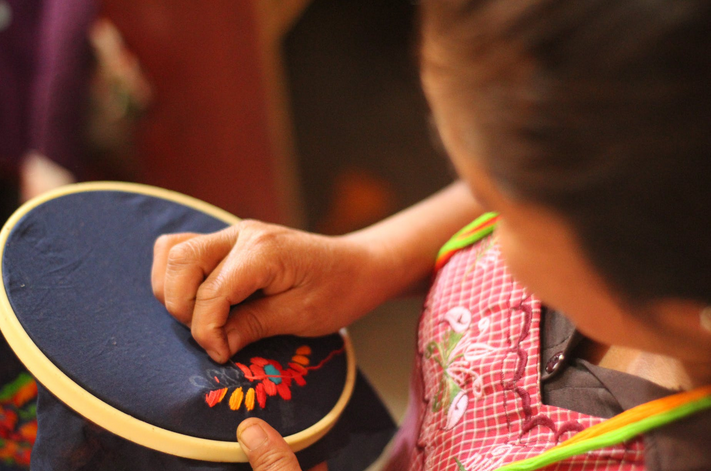
 We live in a world where people want more and more unique experiences. They want to feel like they are a part of something special and celebrate their individuality. Custom embroidered patches can provide this feeling by giving your group or organization
  People have used embroidery patches for centuries to create a sense of identity and community. And with the many benefits that they offer, it’s easy to see why this tradition is still going strong today. If you are looking for a unique and eye-catching way to promote your business or brand, then custom embroidered patches may be just what you need.
 The first factor you should consider when buying new clothes is the material used. It is essential to note that there are numerous materials used to make clothes like custom capes. Some of the commonly used materials include cotton, wool, leather, silk, and viscose. It is essential to note that each material has something that makes it unique.
 The second important factor you should consider when choosing new clothes to buy is color. Buy clothes that are in the color you like. The color you select will also affect how your body looks and how others will perceive you.
 People with an inverted triangle figure have shoulders that are broader than their hips. The definition at their waist is also too weak to notice. And as you may have guessed, the sweater must bring a balance to that shape. V-neck sweaters can do this job because the V-line draws the eyes more to the center of the body’s torso. Another alternative is the women’s tunic sweater since this sweater doesn’t attract attention to the waistline.