shirts

Mistakes to Avoid When Buying Men’s Clothing Online

Online shopping for men’s clothing has surged in popularity, offering convenience, variety, and the ability to explore styles from the comfort of home. However, the virtual shopping experience can also present pitfalls that result in ill-fitting garments, wasted money, or regretful purchases. Without tactile feedback or the ability to try items on immediately, many shoppers make preventable errors. Understanding mistakes to avoid when buying men’s clothing online equips men with the knowledge to navigate sizing charts, material descriptions, and seller policies confidently. By recognizing common pitfalls, shoppers can make more informed decisions, save money, and enhance their wardrobe with garments that truly suit their style, body type, and lifestyle preferences.

Ignoring Size Charts and Measurements
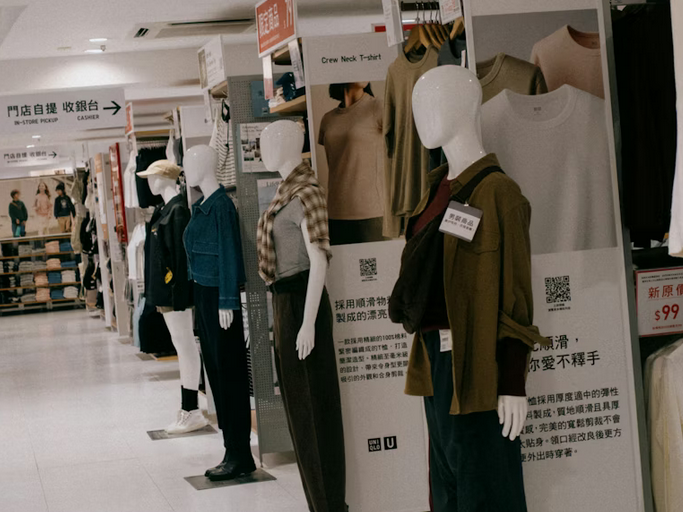
One of the most frequent mistakes in online men’s clothing shopping is neglecting detailed size charts. Unlike physical stores, where trying clothes is possible, online buyers must rely on provided measurements. Sizes varry significantly between brands or even between different items from the same manufacturer. Relying solely on familiar size labels like Medium or Large often leads to garments that are too tight or too loose. To avoid disappointment, carefully review the sizing guide, measure your chest, waist, shoulders, and inseam, and compare them to the chart. For shoes, foot length and width should be considered, not just the standard size. Accurate measurement comparison reduces returns and increases the likelihood of a proper fit.

Overlooking Fabric and Material Information

Fabric type and material composition are crucial factors that many online shoppers ignore. Natural fibers like cotton, wool, or linen differ significantly from synthetic materials such as polyester or nylon in comfort, breathability, and durability. Reading the product description thoroughly provides insight into texture, stretchability, and maintenance requirements. Ignoring these details can result in clothing that feels uncomfortable, shrinks after washing, or wears out prematurely. For instance, a shirt labeled as “machine-washable cotton blend” may still have a shrink rate if not laundered correctly. Understanding fabric properties helps buyers anticipate care needs and longevity, contributing to satisfaction and reduced returns.

Disregarding Return and Exchange Policies
clothing item

Many shoppers focus solely on the garment itself without checking the retailer’s return or exchange policies. Limited or complicated policies can turn a simple sizing error into an expensive inconvenience. It is vital to read the policy for timeframes, restocking fees, and acceptable return conditions. Some sellers may require original tags or packaging, while others may not offer free returns. Being unaware of such terms can lead to financial loss or frustration when a garment does not meet expectations. Taking time to understand return procedures offers a safety net and allows confident experimentation with new styles, patterns, or brands without the risk of permanent loss.

Failing to Research Seller Reputation and Reviews

Online reviews and seller ratings provide critical insights that often go unexamined. Ignoring customer feedback is a common error, leaving buyers vulnerable to low-quality items, misrepresented colors, or poor service. Detailed reviews may highlight issues like inconsistent sizing, color discrepancies between the image and actual item, or fabric quality concerns. Searching for multiple reviews across platforms and forums provides a balanced perspective. Trustworthy sellers with a high volume of positive reviews generally deliver consistent product quality and reliable customer service. This research reduces uncertainty, instills confidence in purchasing decisions, and decreases the likelihood of disappointment.

Impulsive Purchases Without Planning

The ease of online shopping encourages spontaneous decisions, which can lead to overbuying or selecting items that do not integrate with existing wardrobe pieces. Impulsive buying may result in duplicates, unused garments, or styles that clash with current outfits. To avoid this, plan purchases by identifying gaps in your wardrobe, considering color coordination, and prioritizing versatile pieces. Creating a wishlist or consulting style guides helps maintain focus and prevents regretful spending. Conscious buying ensures each garment serves a functional or stylistic purpose, enhancing the overall wardrobe and maximizing investment value.

Buying men’s clothing online offers convenience and variety, but it requires planning and attention to detail. Common mistakes—ignoring the size charts, overlooking information on the fabric, disregarding return policies, neglecting seller reputation, and making impulsive purchases—can lead to dissatisfaction and wasted resources. By taking deliberate steps to measure accurately, research materials and sellers, and plan purchases strategically, men can enjoy a seamless online shopping experience. These precautions not only save money but also enhance wardrobe quality, style consistency, and overall satisfaction with online clothing acquisitions.…
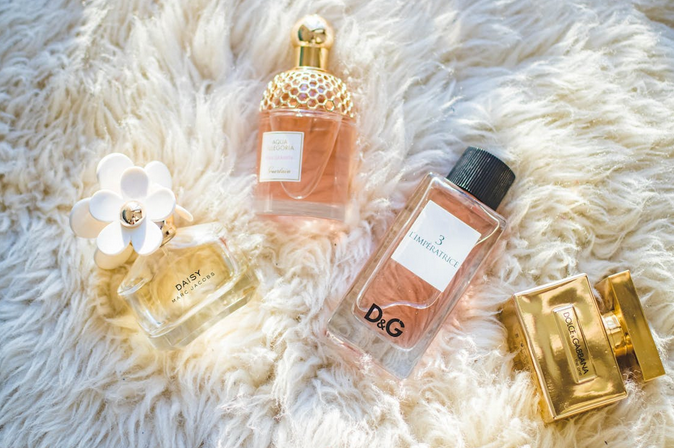
bottles

Unconventional Uses for Perfume in Fashion

Perfume is often seen as a finishing touch to an outfit, adding that extra layer of allure and sophistication. But have you ever considered its potential beyond just personal scent? French Perfume and other fragrances can play a surprising role in how we wear and experience clothing. From extending the life of your favorite garments to creating custom fabrics infused with fragrance, the possibilities are both unconventional and exciting. Let’s dive into some innovative ways you can incorporate perfume into your fashion routine, elevating not just your style but also your sensory experience.

Using Perfume to Extend the Life of Clothing

spraying

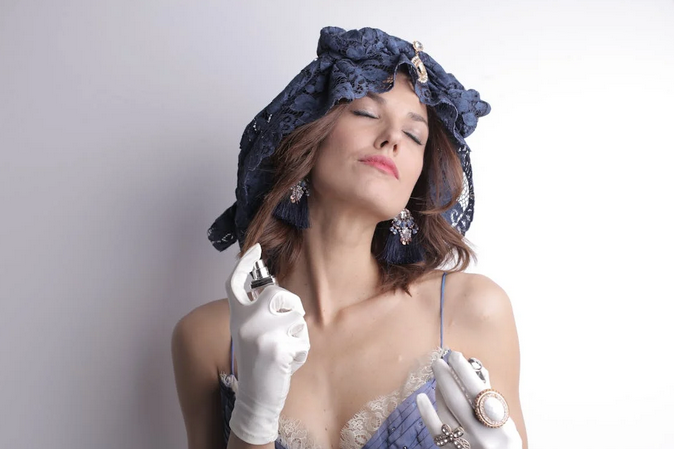
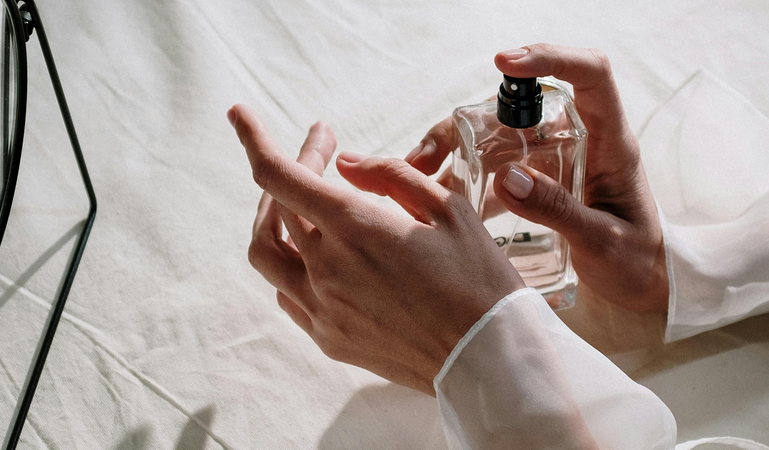
Using perfume can be a clever way to extend the life of your clothing. You might wonder how a fragrance could help preserve fabric. The secret lies in scent molecules that can mask odors and contribute to freshness. Spraying your clothes lightly with perfume before storing them can create an aromatic barrier against mustiness. This technique works wonders for seasonal garments tucked away for months at a time. But there’s more! A touch of your favorite scent on collars or cuffs gives you an instant confidence boost throughout the day. Not only do you smell divine, but it also keeps fabrics smelling fresh during wear, reducing the need for frequent laundering. When washing delicate items, add just a few drops of perfume to your rinse cycle. It infuses softness while leaving behind subtle notes that linger long after they’ve dried. Your wardrobe deserves this little extra care.

Creating Custom-Scented Fabrics

Imagine wearing a fabric that not only feels good but also smells divine. Creating custom-scented fabrics is an innovative approach to fashion. Start with natural fibers like cotton or linen. These materials absorb scents more readily than synthetics. Choose your favorite perfume and lightly spritz the fabric, allowing it to dry completely before wearing. For those who enjoy DIY projects, consider infusing essential oils into fabric sprays. A blend of lavender and chamomile can create a calming effect, perfect for loungewear or sleepwear. You can even experiment with layering different scents. Combine refreshing citrus notes for summer outfits or warm spices for cozy winter wear. With these techniques, your wardrobe becomes an extension of your personality—vibrant and uniquely scented.

Incorporating Perfume Into Hair and Makeup Looks

perfume

Perfume isn’t just for your pulse points. It can enhance your hair and makeup in exciting ways. Start with a scented hairspray or mist. This adds fragrance while keeping your locks fresh throughout the day. A few spritzes will leave you feeling glamorous without overpowering the senses. For makeup, consider applying a light perfume to your brush before blending powder products like blush or highlighter. The aroma subtly infuses into the pigments, giving an extra layer of allure as you apply. Alternatively, dab a touch of perfume on your wrists and run them through your hair after styling. This technique not only leaves a delicate scent but also creates an aura that lingers beautifully around you.

Perfume is not just a fragrance; it’s an accessory that can transform your fashion game. Embracing these unconventional uses for perfume opens new doors in fashion. It encourages creativity and self-expression while highlighting how versatile this everyday item can be. Whether you’re spritzing on clothes or infusing scents into accessories, there’s no limit to how perfume can elevate your style. So go ahead—experiment with these ideas and make perfume a staple in your fashionable repertoire.…

The Hidden Dangers: Hairstyles That Could Be Ruining Your Hair

Have you ever admired a stunning hairstyle only to discover it has hidden risks? While we all love experimenting with our hair, some popular styles can affect its health. From the sleekness of a tight ponytail to the elegance of intricate braids, these looks may be more harmful than they appear. If you’re committed to keeping your locks luscious and vibrant, it’s time to explore how certain hairstyles might ruin your precious strands.

It is known that some people tend to have hair loss as a result of hairstyles that are tight on the scalp. But there are also other ways in which hairstyles can damage your hair, so it’s essential to understand how to protect your hair while still looking fabulous. If it’s too late, you can always find ways to promote hair growth. Here are some hidden dangers of popular hairstyles. Buckle up as we uncover the dangers lurking in everyday hair trends.

Tight Ponytails

Tight ponytails are a go-to for many, offering a sleek and polished appearance. However, this popular style can lead to serious hair damage over time. When you pull your hair back tightly, you’re placing strain on the follicles. This tension can result in traction alopecia—a condition where hair begins to thin or fall out at the roots. Moreover, constant friction from elastics can weaken strands and cause breakage. If you’re not careful, what starts as a chic look could turn into an unhealthy habit. To reduce risks while still enjoying the convenience of a ponytail, consider loosening it up occasionally.

Braids

Braids can be a beautiful and stylish choice, but they come with their own set of risks. When done too tightly, they place excessive tension on the hair shaft. This can lead to breakage or even traction alopecia. Different types of braiding styles also contribute to potential damage. For instance, micro-braids may look stunning, yet they can stress your hair over time due to their tiny size and tightness. Additionally, wearing braids for extended periods without breaks is another concern. Your scalp needs some love and freedom from constant pulling.

Heat Styling

Heat styling tools are a go-to for many, but they come with a price. Your favorite curling iron or straightener can create stunning looks in minutes. Yet, the heat can wreak havoc on your hair’s health. Frequent exposure can lead to dryness and breakage. Hair strands become brittle over time, losing their natural shine and elasticity. The damage can be irreversible if not approached with caution. Using lower heat settings is one way to mitigate this risk. Also, incorporating protective sprays helps shield your hair from intense temperatures.

Buns and Updos

Buns and updos can elevate any look, but they are priced. These elegant styles often pull at the hair roots, creating unnecessary tension. Over time, this strain may cause breakage or even traction alopecia. When creating a bun or updo, using hair ties that are too tight compounds the issue. Choose softer alternatives like scrunchies to minimize damage. Another factor is how long you keep your hairstyle in place. Leaving your hair styled for days on end restricts blood flow to your scalp and weakens strands.

The hidden dangers of certain hairstyles can have lasting effects on your hair health. Tight ponytails create stress, leading to breakage and traction alopecia over time. Braids, while stylish, can also cause tension that weakens strands if not done gently. Heat styling adds an extra layer of risk, damaging the cuticle and leaving you with dry locks. Recognizing the impact our favorite looks can have on our tresses is essential. Being mindful about how we style our hair is crucial for maintaining its health in the long run. Embrace variety and allow your mane some downtime; it deserves care just as much as any other part of you does.…